Natural Ways to Support Healing After Periodontal Treatment
@beauqimk403
October 30, 2026 · 14 min read
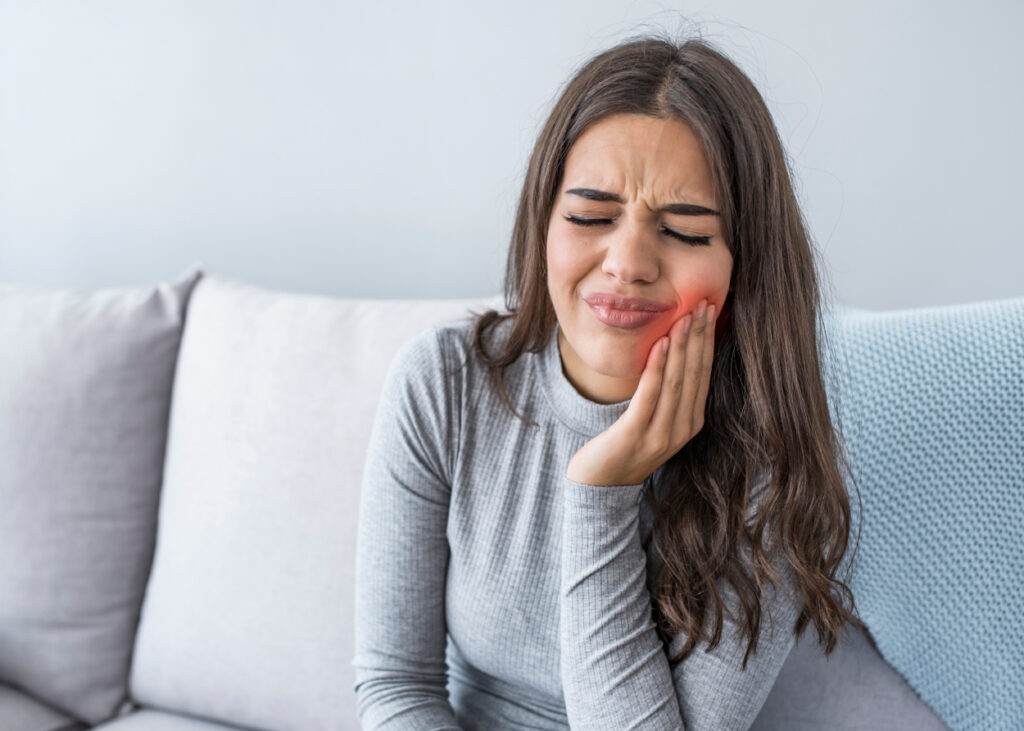
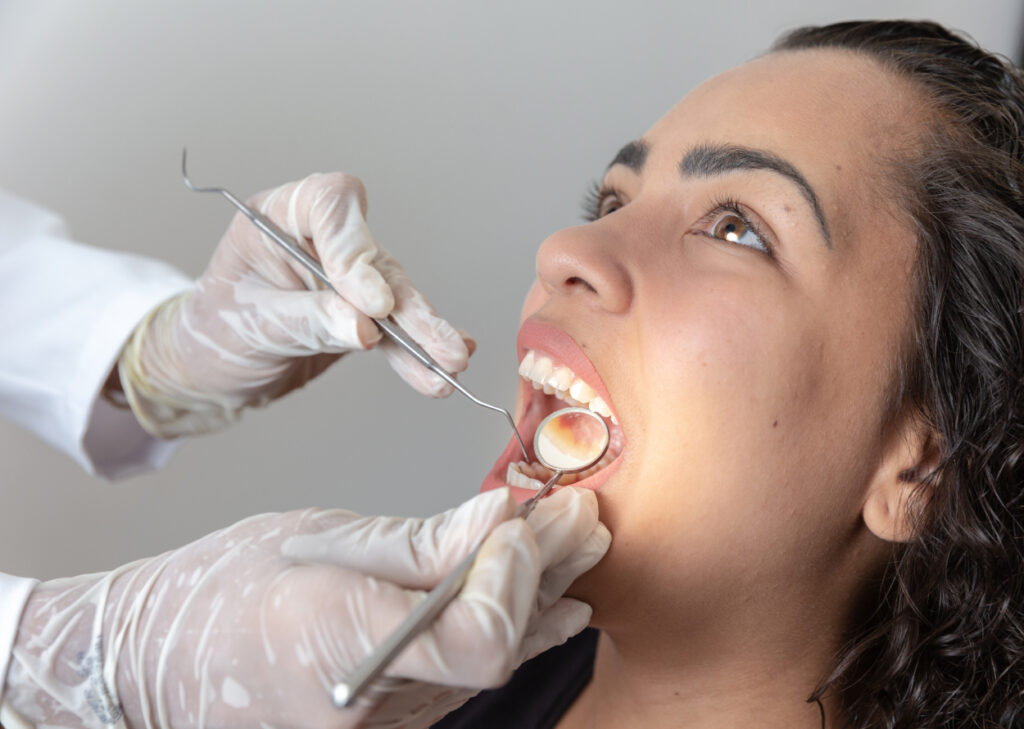
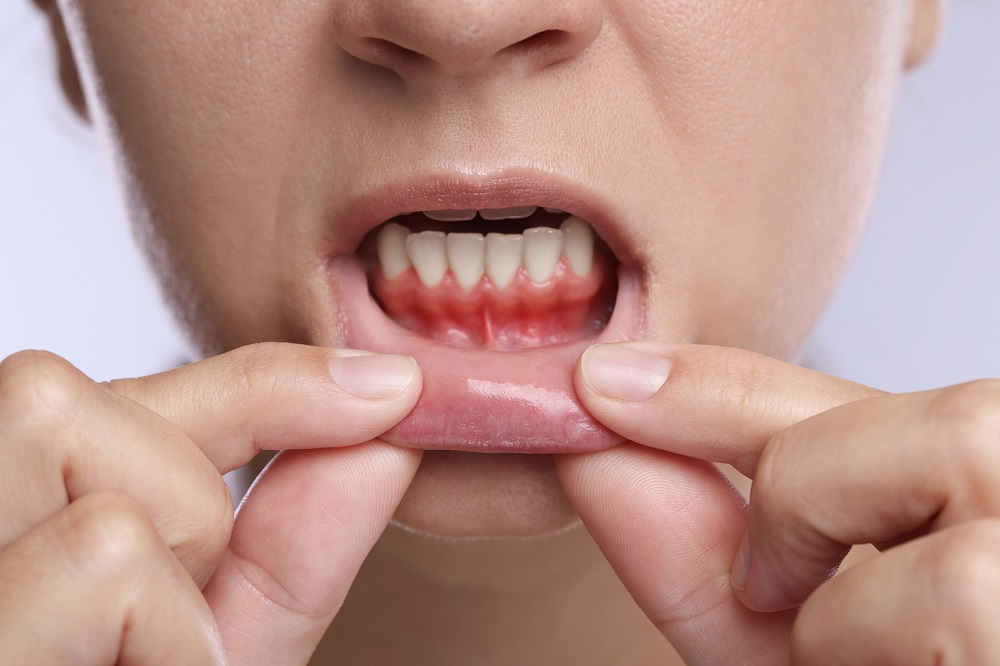
Healing after periodontal treatment is rarely dramatic. More often, it is gradual, quiet, and shaped by small decisions made over several days or weeks. Patients usually expect the treatment itself to be the hard part, whether that means scaling and root planing, laser therapy, gum grafting, or flap surgery. What often surprises them is how much the recovery period matters. The tissues are delicate, the mouth is busy all day long, and even good habits can need temporary adjustment.
That is where natural support can be useful. Not as a substitute for professional care, and not as a way to outsmart biology, but as a practical way to create better conditions for healing. Healthy gum tissue needs stable blood flow, low irritation, good nutrition, gentle cleaning, and enough rest to rebuild. Those factors are not glamorous, yet they make a visible difference. In practice, the patients who tend to heal best are usually not the ones trying every home remedy they can find. They are the ones who keep things calm, clean, and consistent.
What healing looks like after periodontal treatment
The word "healing" can mean different things depending on the procedure. After deep cleaning, many people notice tenderness, slight swelling, temperature sensitivity, and minor bleeding during brushing for a short period. After surgical periodontal treatment, the recovery can be more involved. Gum tissues may feel tight, puffy, or sore. Chewing can be awkward, and sleeping on one side may feel better than the other.
A healthy recovery does not necessarily mean zero discomfort. Mild soreness, a different bite sensation for a day or two, a little pink in the saliva, or sensitivity to cold can all be normal. The body is reacting to inflammation, tissue disruption, and the work of repair. Most of that settles with time and proper aftercare.
The bigger goal is not just feeling better. It is helping the gums reattach, reducing the bacterial load, and preventing reinfection while the tissues regain stability. That is why natural support should always work alongside your periodontist’s instructions, not instead of them.
Start with the basics before reaching for remedies
When people ask about natural ways to heal faster, they often expect to hear about special rinses, herbs, or supplements. Some of those can be helpful, but the basics usually matter more. I have seen patients spend money on elaborate products while continuing to sip sugary drinks, sleep poorly, or brush too aggressively around a healing site. Those everyday habits can slow recovery far more than most people realize.
The first priority is mechanical protection. Healing gums do not like friction, heat, or repeated disturbance. That means being careful with brushing technique, avoiding the urge to poke the area with your tongue, and giving yourself permission to eat softer foods for a few days. A surprisingly common setback comes from testing the area too often, checking it in the mirror, pressing it with a finger, or flossing where the clinician told you to wait. Healing tissue does best when left undisturbed.
The second priority is lowering the inflammatory burden on the whole body. Gum healing is local, but it is also systemic. If blood sugar is poorly controlled, if sleep is short, if smoking is still in the picture, or if stress is pushing jaw clenching at night, the mouth feels the effects.
Food choices that genuinely help
After periodontal treatment, many patients assume they should just "eat soft foods" and leave it at that. Texture matters, but so does nutritional density. Tissue repair relies on protein, vitamin C, zinc, adequate calories, and hydration. If the mouth is sore, people often default to convenience foods like ice cream, crackers, white bread, or sweetened yogurt. Those may be easy to eat, but a recovery diet made mostly of refined carbohydrates can work against gum healing by feeding plaque and offering limited nutritional support.
A better approach is to choose foods that are both soft and useful. Eggs, Greek yogurt without too much added sugar, cottage cheese, lentil soup, shredded chicken, well-cooked fish, oatmeal, avocado, mashed sweet potatoes, smoothies with greens and berries, and soft cooked vegetables all tend to work well. If chewing is difficult, blending soups or using a strawless smoothie cup can help. Straws are sometimes discouraged after certain oral procedures because suction can disturb the area, so follow the instructions specific to your case.
Temperature matters, too. Very hot foods can increase throbbing and discomfort. Cooler or room-temperature meals are often better in the first day or two. Spicy foods can sting, and acidic foods such as citrus, tomatoes, and vinegar-heavy dressings can irritate the tissues when they are raw.
What patients often appreciate hearing is that healing food does not need to be bland forever. Usually, there is a brief window where simple, soft, non-irritating meals are wise. Once tenderness settles, variety helps again. The goal is not a perfect anti-inflammatory menu. It is a few days of eating in a way that lowers friction and supports repair.
Hydration is more important than most people think
A dry mouth heals poorly. Saliva helps buffer acids, control bacteria, and protect tissues. After Periodontal Treatment, people may breathe through the mouth more, especially if they are sleeping differently because of discomfort. Some medications can also dry the mouth, and many adults are mildly dehydrated to begin with.
Steady water intake is one of the simplest natural supports available. It keeps tissues moist, helps with comfort, and reduces the sticky film that builds when the mouth is dry. It also helps if you are eating more protein or taking pain medication that can leave you feeling parched.
This does not mean chasing extreme hydration goals. It means sipping water regularly through the day and being mindful of drinks that work against healing. Alcohol tends to dry and irritate the mouth. Sugary drinks feed oral bacteria. Very acidic beverages can sting and contribute to sensitivity. Even frequent sparkling water can bother some people temporarily if the area is very sensitive.
Saltwater rinses, used properly
Warm saltwater rinses remain one of the most reliable natural supports after gum treatment. They are not a magic cure, but they are gentle, inexpensive, and time-tested. Saltwater can help keep the mouth cleaner, soothe irritated tissues, and reduce the feeling of stagnation that many patients notice after a procedure.
The key is using them correctly. The rinse should be mild, not briny enough to burn. Think of it as lightly salted warm water, not seawater. Swishing too vigorously can be a problem, especially after surgery. In the early phase, it is better to let the liquid bathe the area and then tip it out rather than forcefully gargling.
Patients sometimes overdo rinses because they feel productive. More is not always better. Excessive rinsing can irritate tissue and make the mouth feel raw. Follow the specific timing your dental team gives you, especially if they have also prescribed an antimicrobial rinse.
The role of herbal rinses and teas
There is longstanding interest in herbs such as chamomile, sage, calendula, and green tea for oral comfort. Some of these have mild soothing or anti-inflammatory properties, and many people find them pleasant to use. In real practice, I have seen cooled chamomile tea compresses or a gentle green tea rinse provide comfort for mildly irritated gums, especially after non-surgical procedures.
Still, "natural" does not automatically mean safe for every mouth. Strong essential oils, concentrated tinctures, and homemade blends can irritate tissues or interact with sensitivities. Anything heavily flavored with peppermint, cinnamon, clove, or alcohol can sting considerably on healing gums. Herbal support is best kept simple and diluted, and it should never replace a prescribed medication or post-operative rinse when one is indicated.
If you are interested in using an herbal rinse, it is reasonable to ask your periodontist first, especially after grafting or flap surgery. The same herb that feels soothing in one context may be inappropriate in another.
Gentle cleaning is not optional
One of the trickiest parts of recovering from periodontal treatment is balancing cleanliness with caution. Some patients become so afraid of disturbing the gums that they stop cleaning effectively. Others take the opposite approach and scrub hard because they do not want "infection." Both can create problems.
Plaque begins to accumulate quickly, and a healing site does not benefit from being left dirty. At the same time, tissue that has just been treated cannot tolerate the same brushing and flossing pressure as a healthy mouth. Your clinician’s instructions about where to brush, when to floss, and whether to use an irrigator should take priority over any general advice.
Usually, a very soft toothbrush and short, careful motions are best once you have been told to resume brushing the area. Powered brushes can be excellent long term, but in the immediate recovery phase, some patients find a manual ultra-soft brush easier to control. If the gums are tender, angling the brush to clean nearby teeth without dragging across the healing margin can make a difference.
A pattern I have seen repeatedly is that patients who clean gently and consistently do better than those who alternate between avoiding the area and attacking it. Healing likes steadiness.
Sleep, stress, and why recovery slows when the body is tired
The mouth is part of the body, not an isolated project. That sounds obvious, but people often underestimate how much whole-body fatigue affects oral healing. During sleep, inflammatory signals regulate, tissue repair accelerates, and immune function steadies. If you are only sleeping five hours because you are uncomfortable, stressed, or relying on caffeine late into the day, your recovery may feel slower.
Stress has another oral consequence that shows up often after dental work: clenching. Patients who grind or clench at night may wake with more soreness around treated areas, not because the gums are infected, but because the muscles and bite pressure are amplifying discomfort. If you already use a night guard, ask your dental team when it is safe to resume wearing it. If you suspect clenching but have never addressed it, the healing phase often brings it to your attention.
Simple measures can help. Elevating the head slightly for the first night or two may reduce throbbing. Avoiding heavy exercise immediately after surgery can limit bleeding and swelling. Choosing quieter evenings, softer foods, and an earlier bedtime sounds mundane, yet those choices often help more than another supplement.
Supplements, with some caution
Nutritional supplements can support healing when they fill a real gap, but they are not automatically necessary. A patient who eats well and has no known deficiencies may not need much beyond good food and hydration. On the other hand, someone with a restricted diet, low appetite after treatment, or poor baseline nutrition may benefit from targeted support.
Protein is the most underrated piece. Adults recovering from oral procedures often eat less than usual because chewing feels unpleasant. That can leave them short on the building blocks needed for repair. Soft protein sources or a balanced protein shake can be helpful for a few days.
Vitamin C is commonly discussed because of its role in collagen formation and wound healing. Zinc also has a role in tissue repair. Both matter, but more is not always better, and megadoses can cause problems. The same is true of many supplements marketed for "immune boosting." If you are considering adding something new, especially if you take blood thinners, diabetes medication, or have kidney issues, it is worth checking with your healthcare https://waylonpvqi878.swiftnestly.com/posts/the-role-of-antibiotics-in-periodontal-treatment provider first.
One practical point that gets missed: some supplements can upset the stomach when taken without enough food, and that is not ideal when you are already eating lightly.
What to avoid while the gums are rebuilding
Healing is often helped as much by what you stop doing as by what you start doing. The gums need a temporary reduction in mechanical, chemical, and bacterial stress. A few common habits routinely get in the way:
- smoking or vaping, both of which reduce blood flow and impair tissue repair
- alcohol, especially in the first phase when tissues are more vulnerable and dry easily
- crunchy, seedy, or sharp foods that can lodge near the gums or scrape the area
- vigorous swishing, spitting, or exercise too soon after treatment
- constant touching of the site with the tongue, fingers, or oral devices
Smoking deserves special mention. If there is one factor that consistently undermines periodontal healing, it is tobacco use. Even a brief pause helps more than many people expect. Nicotine constricts blood vessels, and the gums rely on a healthy blood supply to repair. Patients sometimes say, "I only smoke a few a day," but the tissues still feel that effect. The difference in healing quality between smokers and non-smokers is often obvious in the chair.
Using cold and warmth at the right time
For swelling and soreness after more invasive periodontal treatment, cold can be useful in the early phase. An ice pack wrapped in cloth and applied on the outside of the face in short intervals often helps with comfort. The purpose is not to freeze the area, just to calm the inflammatory response and reduce that heavy, pressurized feeling.
Later, once the immediate swelling phase has passed, some people find gentle warmth on the outside of the face soothing for muscle tension or jaw stiffness. This is especially true if they have been holding their mouth open for a long procedure or clenching afterward. The timing matters, though. Applying heat too early can sometimes worsen swelling. If surgery was involved, follow your clinician’s timeline.
A realistic day of supportive care
Patients often do best with a simple routine rather than a shelf full of products. On a typical recovery day, that might mean waking and drinking water before coffee, eating a soft breakfast with protein, brushing gently according to instructions, using a prescribed rinse or mild saltwater rinse at the recommended times, sticking to non-irritating meals, and keeping physically strenuous activity modest for a short period. In the evening, it might mean another gentle cleaning, one more soft meal instead of crunchy snacks, and getting to bed earlier than usual.
That routine is not glamorous, but it works. Most complications after routine Periodontal Treatment are not caused by a lack of exotic remedies. They happen because tissues get irritated, cleaning is neglected, instructions are misunderstood, or warning signs are ignored.
When natural support is not enough
There is a line between expected healing and a problem that needs professional attention. Natural measures can improve comfort and support recovery, but they cannot treat a post-operative infection, stop significant bleeding, or correct a problem with the surgical site.
Reach out to your dental office if pain is worsening rather than gradually improving, if swelling expands significantly after the first couple of days, if you develop fever, if there is persistent bad taste or pus, or if bleeding is more than minor oozing and does not settle. A loose dressing, a popped suture, or a gum graft that looks different than expected also deserves a call. Most of the time, patients are relieved to learn that what they are seeing is normal. When it is not normal, earlier attention usually makes things easier.
The longer view: healing is not the same as maintenance
One reason periodontal care can feel frustrating is that the end of treatment is not the end of the condition. Even once the gums have healed, they still need a maintenance plan. Patients who have had periodontal disease are generally more vulnerable to recurrence, which means follow-up cleanings, home care, and risk factor control really matter.
This is where the habits you build during recovery can pay off long term. People who learn how to brush gently but thoroughly, hydrate better, cut back on smoking, improve their protein intake, or get more serious about sleep often notice benefits beyond the treatment site. Their mouth feels cleaner, their breath improves, and their maintenance visits tend to go more smoothly.
That is the strongest case for natural support after periodontal treatment. It is not about finding a miracle ingredient. It is about creating the conditions in which the body can do what it is already designed to do, repair, reattach, and protect. When patients understand that, recovery becomes less about guessing and more about good judgment, day after day.
Avra Dental
Address: 1708 S Victoria Ave B, Ventura, CA 93003
Phone number: (805) 941-1001
FAQ About Periodontal Treatment
Can a dentist get rid of periodontal disease?
A dentist or gum specialist (periodontist) cannot fully cure or reverse advanced periodontal disease (periodontitis), but they can successfully stop its progression and manage the infection.
Is periodontitis very serious?
Yes, periodontitis is a very serious, advanced form of gum disease that destroys the bone and tissues supporting your teeth.
How is stage 2 periodontal disease treated?
Stage 2 periodontal disease (early to moderate periodontitis) is primarily treated with non-surgical deep cleaning procedures like scaling and root planing to remove bacteria and tartar below the gumline.